Editor-in-Chief

Dr. Md. Abul Hashem is a Postdoctoral Fellow at Northwestern University, USA, where his research focuses on the early stages of HIV-1 transport and intracellular trafficking. His work investigates the molecular and cellular mechanisms underlying early events in the HIV-1 lifecycle. He employs advanced imaging approaches, including fluorescence microscopy and platinum replica electron microscopy, alongside complementary cellular and molecular techniques. Through an integrated experimental strategy, Dr. Hashem aims to elucidate fundamental mechanisms of HIV-1 infection and trafficking, generating insights that may contribute to the development of innovative antiviral strategies and therapeutic interventions.
Associate Editor

Dr. Md. Haroon Or Rashid completed his PhD at Kagoshima University, with broad research interests in virology, vaccinology, hepatitis B virus (HBV), dengue, and emerging infectious diseases. His research experience encompasses viral pathogenesis, antiviral strategies, infectious disease surveillance, and biomedical diagnostics. He has contributed to multidisciplinary research involving dengue virus replication, HBV, chikungunya, antimicrobial resistance, hepatocellular carcinoma biomarkers, and other infectious diseases. His research findings have been published in internationally recognized journals, including Virus Research and Biomedicine & Pharmacotherapy. Through his interdisciplinary research, Dr. Rashid seeks to advance the understanding of viral and emerging infectious diseases and contribute to innovative strategies for disease prevention, early diagnosis, and effective treatment.
Section Editor
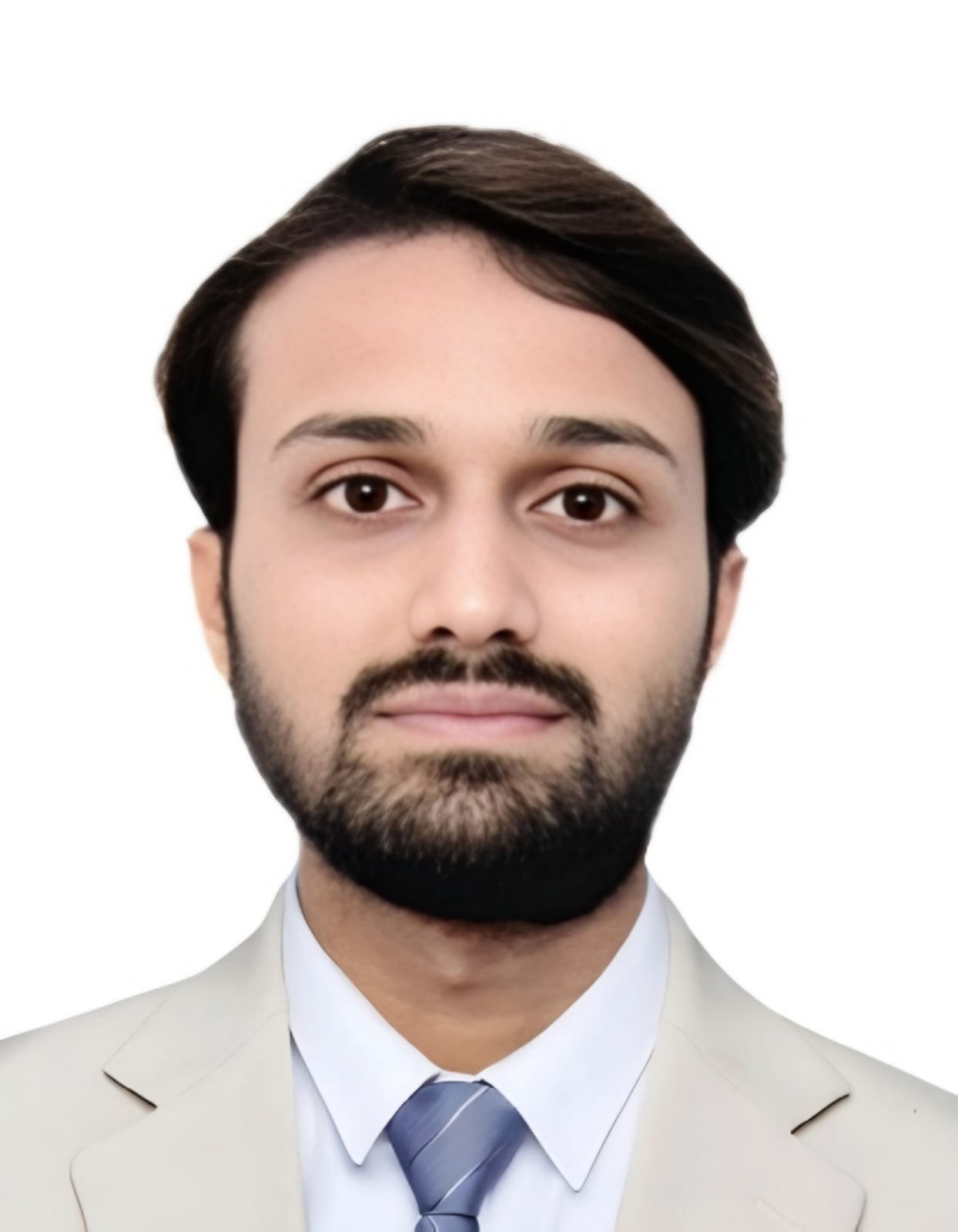
Dr. M. H. Mujahid is a Postdoctoral Fellow at Exploring Ideas, Indian Institute of Technology Roorkee. His research interests span nanotechnology, cancer biology, diabetes, drug delivery, biomaterials, and animal models. He has contributed to interdisciplinary biomedical research through numerous peer-reviewed publications in internationally recognized journals, including Biomedicine & Pharmacotherapy, Scientific Reports, Frontiers in Oncology, BMC Plant Biology, and BMC Gastroenterology. His research focuses on developing innovative nanomaterials, exploring plant-derived bioactive compounds, investigating therapeutic strategies, and addressing complex biomedical challenges. Dr. Mujahid is committed to advancing translational research that connects scientific discoveries with improved human health and therapeutic applications.
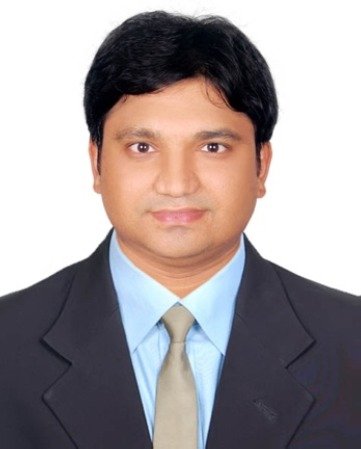
Dr. Md Asaduzzaman is a biomedical researcher specializing in biochemistry, molecular biology, immunology, and allergy research. He earned his PhD in Biofunctional Chemistry from Okayama University, Japan, following B.Sc. and M.Sc. degrees in Biochemistry and Molecular Biology from the University of Rajshahi, Bangladesh. He currently serves as a Postdoctoral Research Fellow at Juntendo University, Tokyo, supported by a JSPS fellowship. His research focuses on protein purification, molecular characterization of allergens, microbiology, molecular biology, and biomedical sciences. Dr. Asaduzzaman has authored numerous peer-reviewed publications, presented research internationally, and serves as an editorial board member and reviewer for scientific journals. He is committed to innovative research addressing global health challenges.
Dr. Md. Nur Islam is a research-oriented biophysicist and pharmaceutical scientist specializing in molecular and cell biology, drug design, and biomedical research. He earned his Ph.D. in Biophysics from the University of Chinese Academy of Sciences, Beijing, in 2025, following B.Pharm and M.Pharm degrees from Rajshahi University. His expertise includes cell culture, PCR, Western blotting, protein purification, fluorescence microscopy, animal experiments, pharmaceutical formulation, and computer-aided drug design. He has authored numerous peer-reviewed publications in cancer biology, molecular therapeutics, drug discovery, and biotechnology. He has received prestigious fellowships and awards, including CAS-TWAS and the UCAS Excellent International Student Award. He currently serves as a Lecturer at Gopalganj Science and Technology University, Bangladesh.
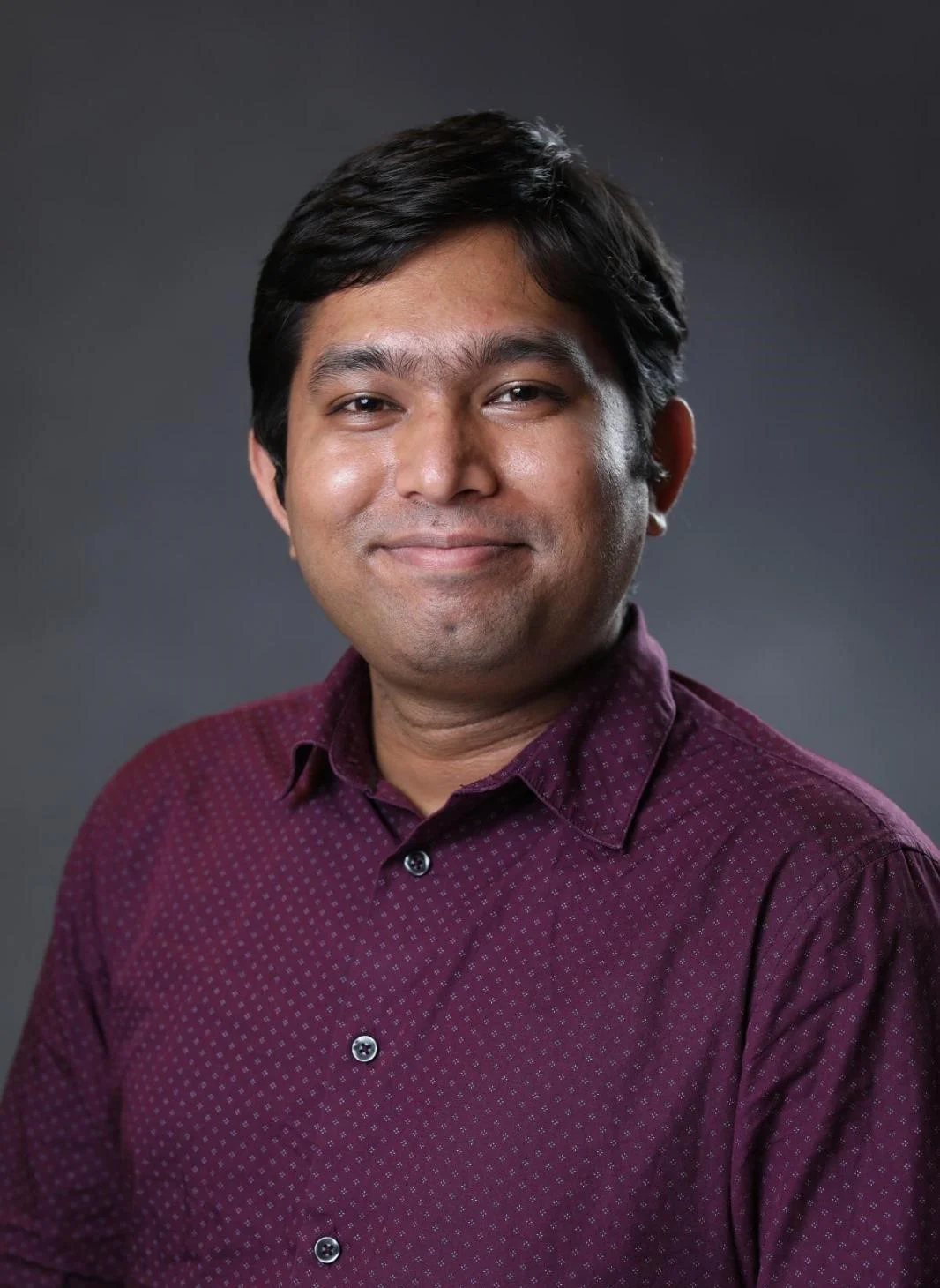
Md Abu Bakar Siddique is a Ph.D. student in Biology at St. John’s University, specializing in bioinformatics, transcriptomic analysis, sequencing, and amphibian diseases. His research focuses on the evolution of Toll-like receptors (TLRs) in amphibians. He is an NYS-licensed and ASCP-certified Clinical Laboratory Scientist in Molecular Biology with over five years of laboratory experience in DNA/RNA extraction, PCR, sequencing, and molecular diagnostics. He also has pharmaceutical quality-control expertise in HPLC, UPLC, FT-IR, and laboratory testing. Passionate about molecular biology and research, he mentors students and is committed to advancing biomedical science through innovative research and interdisciplinary collaboration.
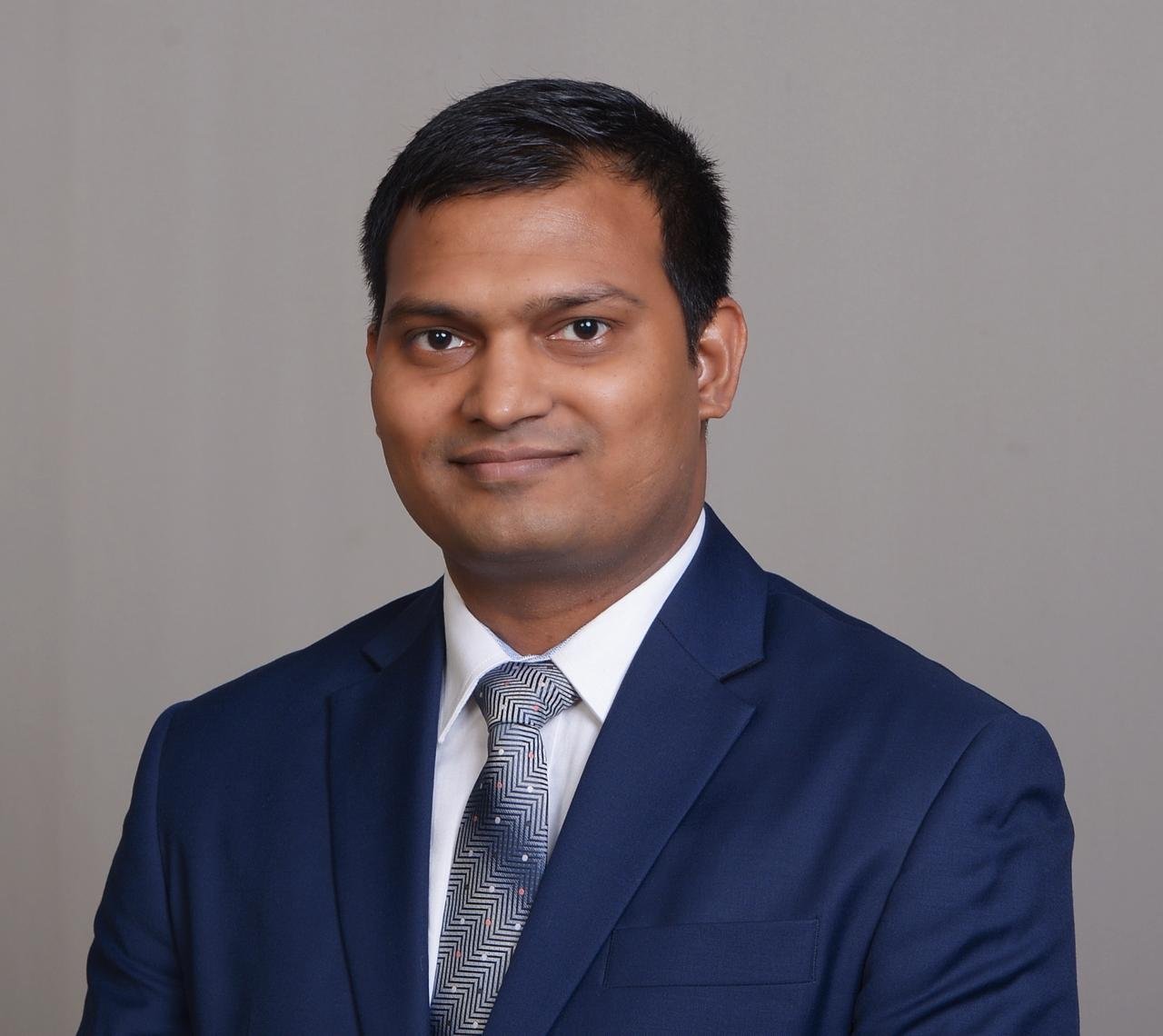
Md Mostafizur Rahman, MBBS, MS, is a Ph.D. candidate in the Department of Biological Sciences at St. John’s University, USA. His research interests span molecular biology, neuroscience, alternative splicing, and molecular and genetic mechanisms underlying human diseases. He has contributed to research on hepatocellular carcinoma biomarkers, antibiotic resistance, infectious diseases, metabolic disorders, and neurological channelopathies. His recent work focuses particularly on alternative splicing and RNA-mediated regulation of voltage-gated calcium channels, with implications for neurological diseases. He has published and contributed to peer-reviewed research in journals including Pathogens, Journal of Biological Chemistry, Wiley Interdisciplinary Reviews: RNA, Cureus, and Neurology.

Dr. Md. Faruk Hossain is a molecular biologist and neuroscientist specializing in RNA biology, alternative splicing, and neurodegenerative disease research. He earned his Ph.D. in Molecular Biology and Neuroscience from St. John’s University, New York, following B.Sc. and M.Sc. degrees in Biochemistry and Molecular Biology from the University of Dhaka. His research has explored RNA–protein interactions, neuronal ion channels, neuromuscular junctions, and genetic mechanisms underlying neurological disorders. Dr. Hossain has authored numerous peer-reviewed publications and presented his work at international scientific conferences. He also has extensive teaching experience in anatomy, physiology, microbiology, molecular biology, and undergraduate laboratory education.
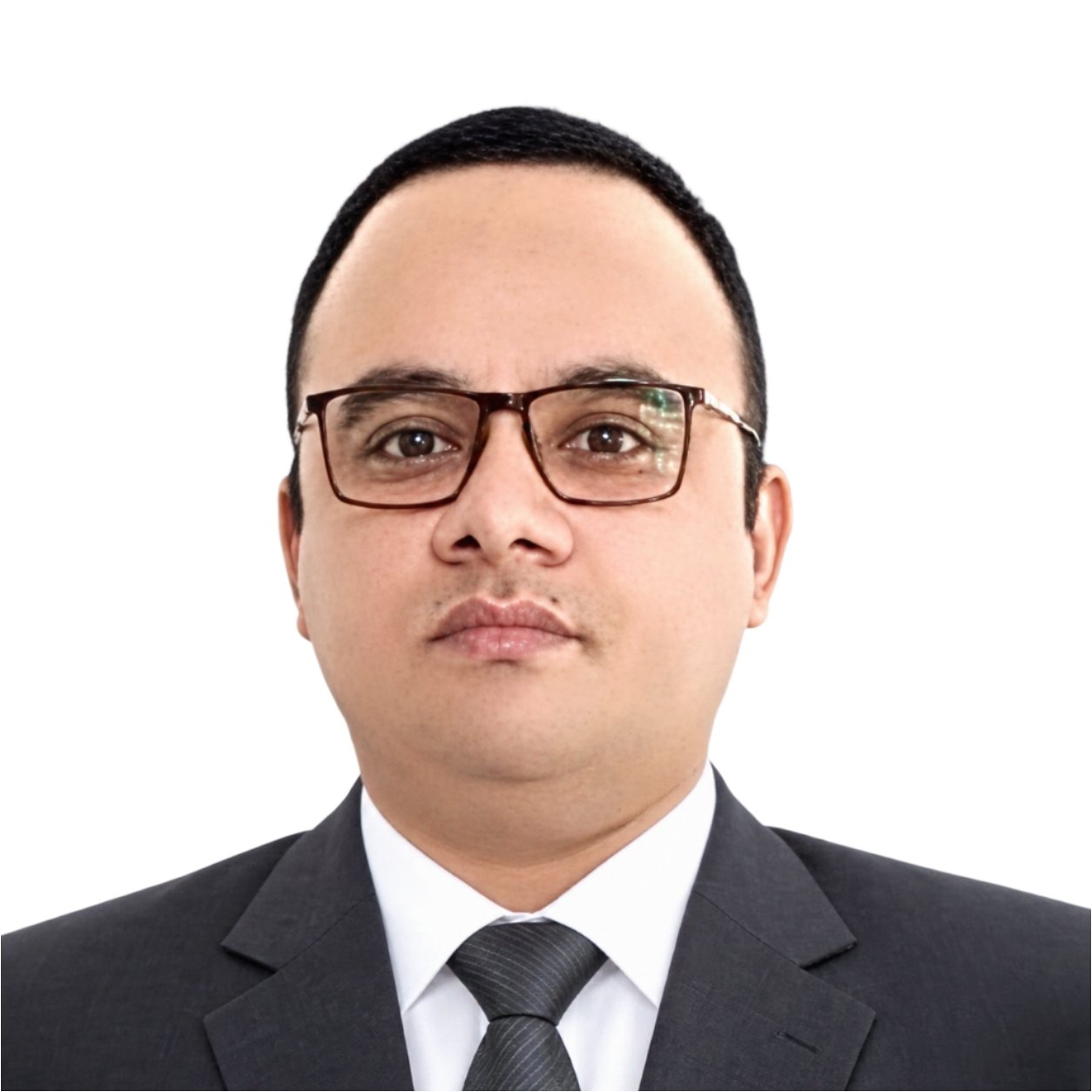
Dr. Anwar Ullah is a distinguished biology educator and researcher with a Ph.D. in Cell Biology from Dalian Medical University, China, and an M.Phil. in Microbiology from Hazara University, Pakistan. He has extensive teaching experience as an Assistant Professor and Visiting Assistant Professor, specializing in genetics, molecular biology, microbiology, bioinformatics, and cell biology. His research interests include hepatocellular carcinoma, molecular modeling, cancer biology, and therapeutic discovery. Dr. Ullah has published in peer-reviewed journals and has supervised student research projects and laboratory training. He has also received prestigious academic awards, including the Chinese Government Scholarship and Outstanding Graduate Certificate.
Dr. Khan Umaer, PhD, MB(ASCP)CM, is a clinical laboratory technologist and molecular diagnostics specialist with extensive expertise in microbiology, molecular biology, biochemistry, and virology. He currently works at East Side Clinical Laboratory in Rhode Island, performing high-throughput clinical microbiology and molecular testing. Previously, he served as a Research Scientist II at SK pharmteco and contributed to vaccine development at Janssen Pharmaceuticals/Johnson & Johnson. Dr. Umaer earned his PhD in Microbiology and Immunology from the University at Buffalo, SUNY, and holds degrees in Biochemistry and Molecular Biology from the University of Dhaka. His expertise spans PCR, sequencing, chromatography, cell culture, and diagnostic assay development.
Handling Editor
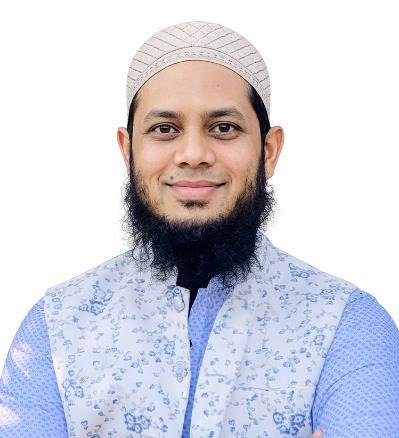
Dr. Md. Maniruzzaman is an Assistant Professor in the Department of Pharmacy at Varendra University, Bangladesh, and a PhD researcher in Cellular and Molecular Anatomy at Hamamatsu University School of Medicine, Japan. He holds B.Pharm. and M.Pharm. degrees from the University of Rajshahi. His research focuses on pharmaceutical sciences, spatial proteomics, lipidomics, drug distribution, neurodevelopmental disorders, and advanced mass spectrometry imaging, particularly MALDI-MSI and DESI-MSI. He has received research grants, scholarships, and specialized training in experimental animal handling and mass spectrometry imaging. With numerous peer-reviewed publications, conference presentations, and research projects, he is committed to innovative translational research addressing biomedical and pharmaceutical challenges.